

Psychological assessments are offered for children, adolescents, and adults. An assessment helps explain why someone is experiencing difficulties and determines what type of support may be most helpful.
For example, a child who avoids reading may have a learning disorder, attention difficulties, anxiety, language weaknesses, or a combination of concerns. An adult who has always struggled with organization and completing tasks may want to understand whether ADHD, anxiety, learning difficulties, or executive-function weaknesses are contributing. A comprehensive assessment helps distinguish among these possibilities.
Why Seek an Assessment?
People seek an assessment for many different reasons. An assessment may be helpful when:
A child is struggling academically despite receiving support.
Attention, impulsivity, organization, or task completion are affecting daily functioning.
There are concerns about communication, social interaction, flexibility, sensory needs, or repetitive behaviour.
Emotional or behavioural difficulties are affecting school, family life, relationships, or work.
Parents or teachers have different perspectives about a child’s functioning.
An adolescent or adult wants to understand difficulties that have been present for many years.
A previous diagnosis or assessment needs to be updated.
Documentation is required to support appropriate services or accommodations.
The purpose is not simply to assign a diagnosis. It is to identify strengths, clarify areas of difficulty, understand how different factors interact, and provide recommendations that can be applied in everyday life.
Psychological Assessments
Psychological Assessments
Psychoeducational Assessment
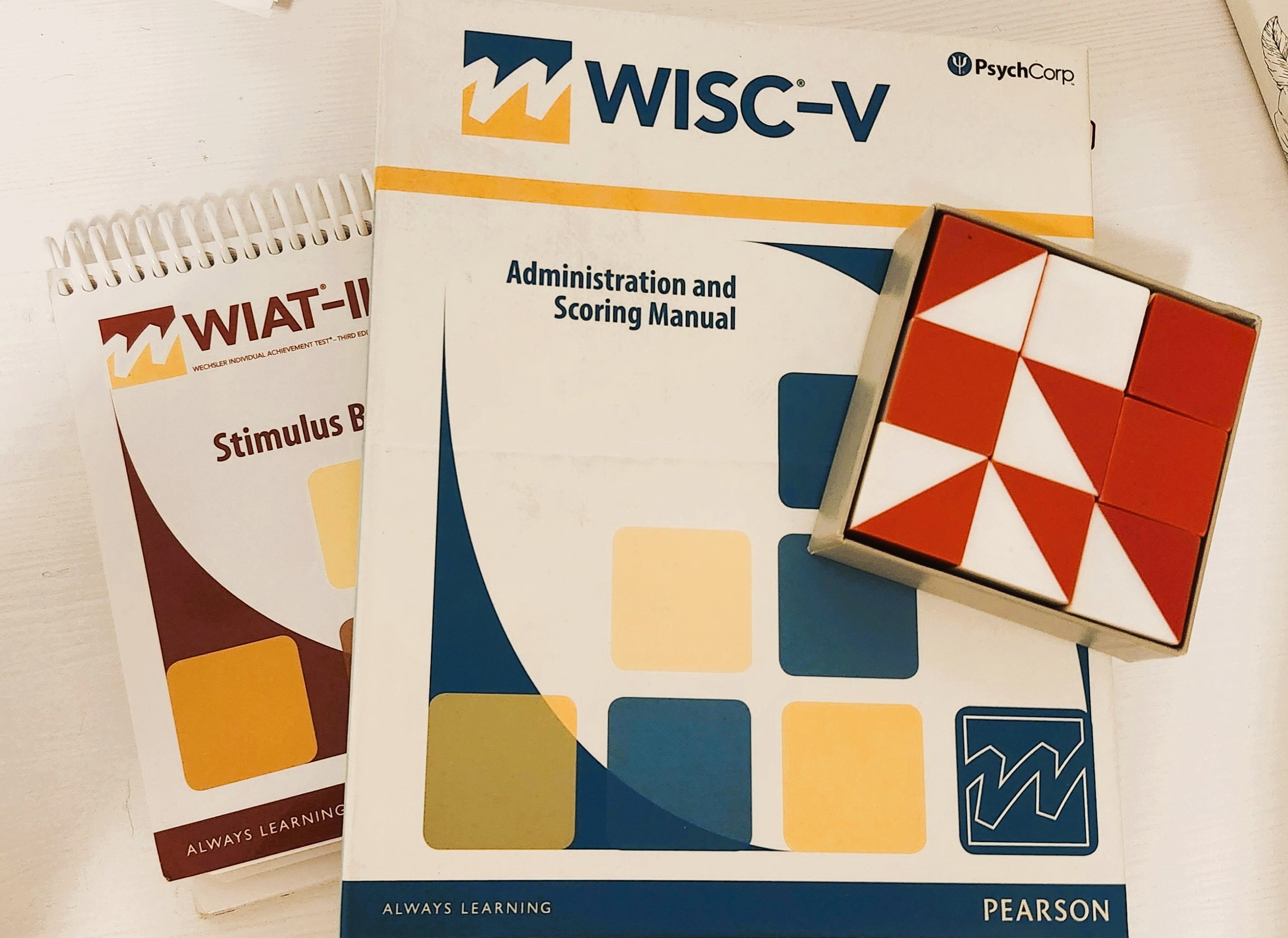
When a child or adolescent is working hard but continues to struggle at school, families often want to understand what is getting in the way. A psychoeducational assessment provides a comprehensive picture of how the student thinks, learns, and approaches academic tasks. It identifies strengths, clarifies areas of difficulty, and provides practical recommendations for home and school.
When May an Assessment Be Helpful?
A psychoeducational assessment may be recommended when there are concerns involving:
Reading, writing, spelling, or mathematics
Attention, organization, or task completion
Memory or processing speed
Academic progress that does not reflect the student’s apparent abilities
Possible learning disabilities, ADHD, or intellectual giftedness
The need for school accommodations or intervention planning
What Does the Assessment Examine?
The assessment is individualized according to the referral concerns and may examine cognitive abilities, academic achievement, attention, executive functioning, memory, language, and social-emotional functioning. Information from parents, teachers, school records, questionnaires, clinical interviews, and direct assessment is carefully integrated.
The Assessment Process
1. Initial consultation
The process begins with a parent consultation to discuss the student’s development, educational history, current concerns, strengths, and previous interventions.
2. Questionnaires and document review
Parents and teachers may be asked to complete questionnaires. Relevant report cards, intervention plans, previous evaluations, and schoolwork are also reviewed.
3. Individual assessment sessions
The student participates in standardized testing completed over two or three appointments. Breaks are provided, and the pace is adjusted according to the student’s age and needs.
4. Analysis and report preparation
All findings are scored, analyzed, and integrated into a comprehensive psychological report. A diagnosis is provided when supported by the complete assessment.
5. Feedback consultation
The results are explained clearly during a feedback meeting. Families receive practical recommendations and have an opportunity to ask questions.
Number of Appointments: The process generally includes four to five appointments:
One initial parent consultation
Two or three assessment sessions with the child
One feedback consultation
Questionnaires, document review, scoring, consultation, and report preparation take place outside these appointments.
Cost: The complete psychoeducational assessment fee is approximately $ 2500- $ 3000. A payment plan is available, and receipts are provided for insurance or income-tax purposes.
The fee includes the intake consultation, document review, assessment sessions, questionnaires, scoring, clinical analysis, comprehensive written report, recommendations, and feedback consultation.
Report Timeline: The written report is generally provided within two to four weeks following the feedback meeting and once the assessment fee has been paid in full.
Autism Assessment
Questions about autism can arise at any stage of life. A comprehensive autism assessment helps families and individuals understand patterns involving social communication, relationships, sensory experiences, routines, interests, emotional regulation, and everyday functioning. The purpose is not simply to identify a diagnosis. It is to develop a clearer understanding of the person’s strengths, needs, and the support that may be helpful at home, at school, at work, or in the community.
When May an Autism Assessment Be Helpful?
An assessment may be appropriate when there are concerns involving:
Social communication or difficulty maintaining relationships
Understanding social expectations or nonverbal communication
Sensory sensitivities or sensory-seeking behaviours
Strong preferences for routines and difficulty managing change
Highly focused interests or repetitive behaviours
Emotional dysregulation, exhaustion, or social masking
A previous diagnosis that does not fully explain the person’s experiences
What Does the Assessment Examine?
The assessment may include a developmental and clinical interview, autism-specific questionnaires, structured observation, adaptive functioning measures, and information from parents, teachers, partners, or other individuals who know the person well. Depending on the referral questions, cognitive abilities, attention, executive functioning, language, learning, emotional functioning, and other possible explanations may also be examined.
The Assessment Process
1. Initial consultation
Current concerns, developmental history, strengths, everyday functioning, and the purpose of the assessment are discussed.
2. Questionnaires and records
Relevant records are reviewed. Parents, teachers, partners, or other informants may be invited to complete questionnaires.
3. Individual assessment
The person participates in 3 testing sessions. Additional testing is selected according to age, developmental level, communication abilities, and the referral questions.
4. Clinical integration and report
Information from interviews, observations, questionnaires, testing, and records is integrated into a comprehensive psychological report.
5. Feedback consultation
The results are explained clearly, including whether the findings support an autism diagnosis and what recommendations may be helpful.
The approximate cost is established following the initial consultation because the scope of an autism assessment varies considerably according to individual needs. The written estimate will explain what is included. If additional testing or consultation becomes necessary, the revised approximate cost will be discussed in advance. Receipts are provided for insurance or income-tax purposes.
The written report is generally provided within approximately two to four weeks following the feedback consultation and once the assessment fee has been paid in full.
If you have been wondering whether autism may help explain your child’s or your own experiences, you are welcome to contact us. We can discuss your concerns and determine whether an autism assessment would be an appropriate next step.

ADHD Assessment

ADHD can affect much more than concentration. It may influence organization, time management, task initiation, emotional regulation, memory, academic performance, relationships, and the ability to manage everyday responsibilities. A comprehensive ADHD assessment examines whether these difficulties are consistent with ADHD while also considering other factors that can produce similar concerns, including anxiety, depression, sleep difficulties, learning problems, trauma, autism, and environmental stress.
When May an ADHD Assessment Be Helpful?
An assessment may be appropriate when there are ongoing difficulties involving:
Sustaining attention or completing tasks
Organization, planning, and time management
Forgetfulness or frequently losing belongings
Restlessness, impulsivity, or excessive activity
Procrastination and difficulty beginning tasks
Emotional reactivity or frustration
Academic, occupational, or relationship difficulties
A history of inconsistent performance despite clear abilities
What Does the Assessment Examine?
The assessment considers developmental history, current symptoms, functioning across settings, attention, executive functioning, memory, emotional functioning, and the degree to which the concerns interfere with daily life.
For children and adolescents, information is usually obtained from both parents and teachers. For adults, input from someone who knows the person well may be requested when available.
The Assessment Process
1. Initial interview
The first appointment explores developmental, educational, occupational, medical, emotional, and family history.
2. Questionnaires and records
Standardized questionnaires are completed by the client and relevant informants. School records or previous reports may also be reviewed.
3. Individual assessment
Testing is selected according to the referral questions and may examine attention, executive functioning, memory, cognitive abilities, academic skills, or emotional functioning. An ADHD assessment generally includes approximately three to four appointments. Additional sessions may be recommended when learning, autism, trauma, or other complex concerns also require assessment.
4. Clinical integration and report
All information is integrated to determine whether ADHD best explains the reported difficulties and whether another or an additional condition should be considered.
5. Feedback consultation
The findings, diagnostic conclusions, and individualized recommendations are reviewed.
The approximate cost of an ADHD assessment is $2,600–$2,800.
The final fee may vary depending on age, complexity, the number of informants, document review, and whether additional areas require assessment. The anticipated plan and approximate fee are discussed before testing begins. The fee includes interviews, questionnaires, direct assessment, scoring, clinical analysis, a comprehensive written report, individualized recommendations, and a feedback consultation. Receipts are provided. The written report is generally provided within approximately two to four weeks following the feedback consultation and once the assessment fee has been paid in full.
Burnout & Return-to-Work Assessments
Burnout rarely happens all at once. It can develop after months or years of sustained workplace pressure, when rest no longer feels restorative and responsibilities that were once manageable begin to feel overwhelming. You may notice persistent exhaustion, difficulty concentrating, irritability, sleep disruption, emotional detachment from work, reduced confidence, or anxiety about returning after a leave.
Whether you are still working, considering a leave, or preparing to return, the assessment looks at both your current functioning and the circumstances surrounding your difficulties. It explores the progression of your symptoms, workplace demands and stressors, emotional and cognitive functioning, sleep, daily activities, coping resources, and treatment history.
Because burnout can overlap with depression, anxiety, trauma, adjustment difficulties, Attention-Deficit/Hyperactivity Disorder, sleep problems, or medical conditions, the assessment does not assume the explanation in advance. Clinical interviews, standardized questionnaires, and relevant medical or employment documents are brought together to clarify what is contributing to your difficulties.
You will receive clear feedback and, when requested, a written report with practical recommendations for recovery and treatment. Recommendations may also address workplace accommodations and the conditions that could support a gradual and sustainable return to work. The goal is not simply to return as quickly as possible, but to reduce the likelihood of returning to the same cycle that led to exhaustion.

English-Language Eligibility Assessments
Your child may be capable and motivated yet continue to struggle when learning in French. When these difficulties are significant and persist despite appropriate support, an assessment can help determine whether a serious learning difficulty is affecting your child’s ability to receive instruction in French.
The evaluation considers your child’s developmental and educational history, school records, cognitive abilities, academic skills, language, and other areas relevant to the concern. The resulting report explains your child’s learning needs and may provide supporting psychological documentation for an English-language eligibility application. The final eligibility decision is made by the Ministère de l’Éducation.

Adult Psychological Assessments
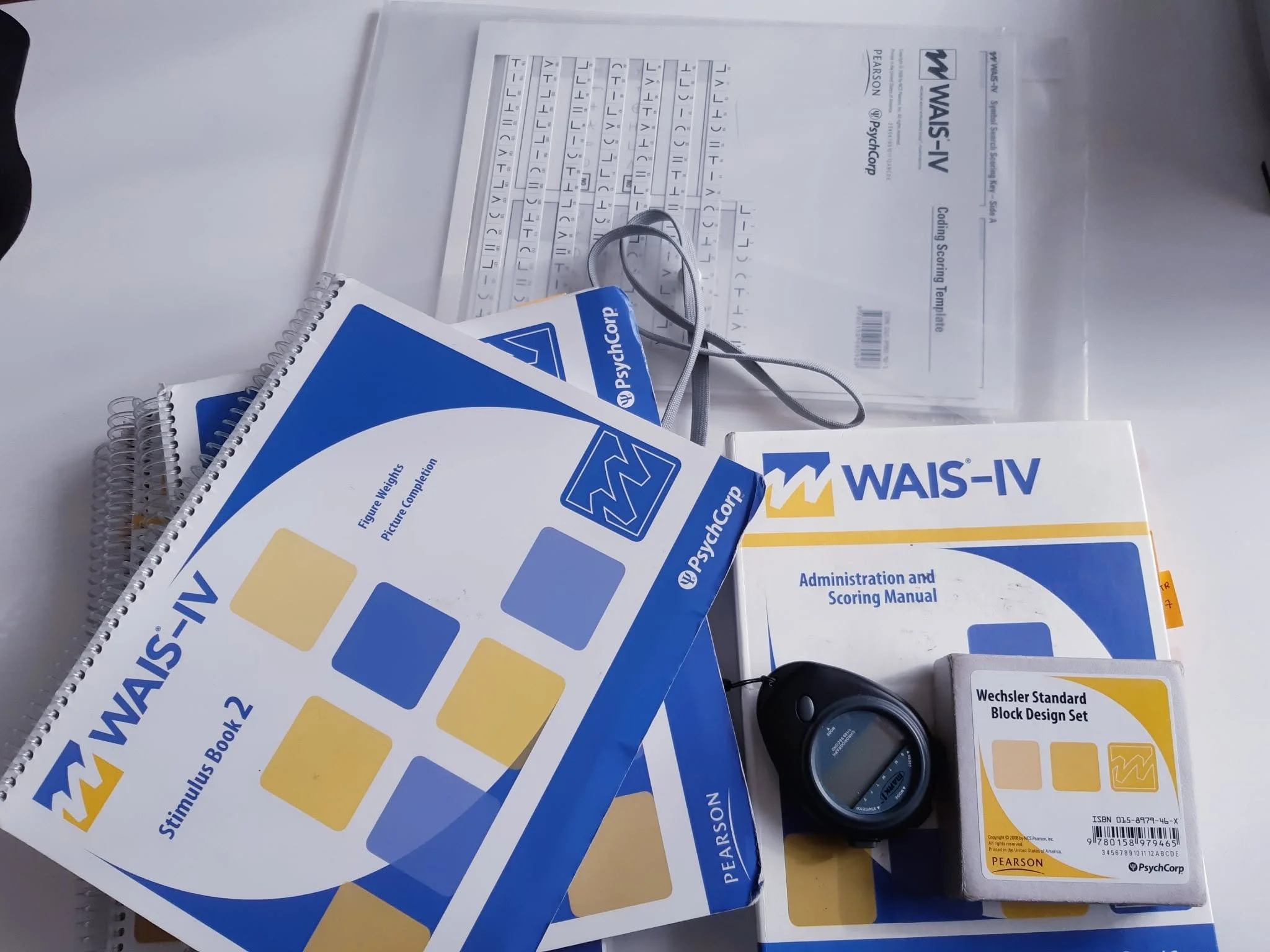
You may have built a career, pursued an education, raised a family, or learned to compensate yet still feel that certain parts of life are more difficult than they should be. An assessment can help you understand patterns that may have remained unexplained for years.
Depending on your concerns, the evaluation may explore attention, emotional regulation, anxiety, mood, trauma, personality functioning, burnout, behavioural addictions, or work-related difficulties.
The process is tailored to the questions that brought you in and combines clinical interviews with carefully selected psychological measures.
The goal is clarity: a thoughtful understanding of what is contributing to your difficulties and practical direction for treatment, accommodations, or your next steps.
Humanitarian and Compassionate Assessments
Immigration documents cannot always communicate the psychological impact of what a person has experienced—or what separation, displacement, or removal could mean for a family.
This assessment provides objective clinical documentation of experiences such as trauma, family violence, bereavement, family separation, and other significant hardships. It considers current psychological functioning, daily life, relationships, treatment needs, establishment in Canada, and the potential impact on affected children and family members.
The report may be submitted as supporting evidence for a Humanitarian and Compassionate application. It presents the psychological findings independently and does not determine the outcome of the immigration application.